
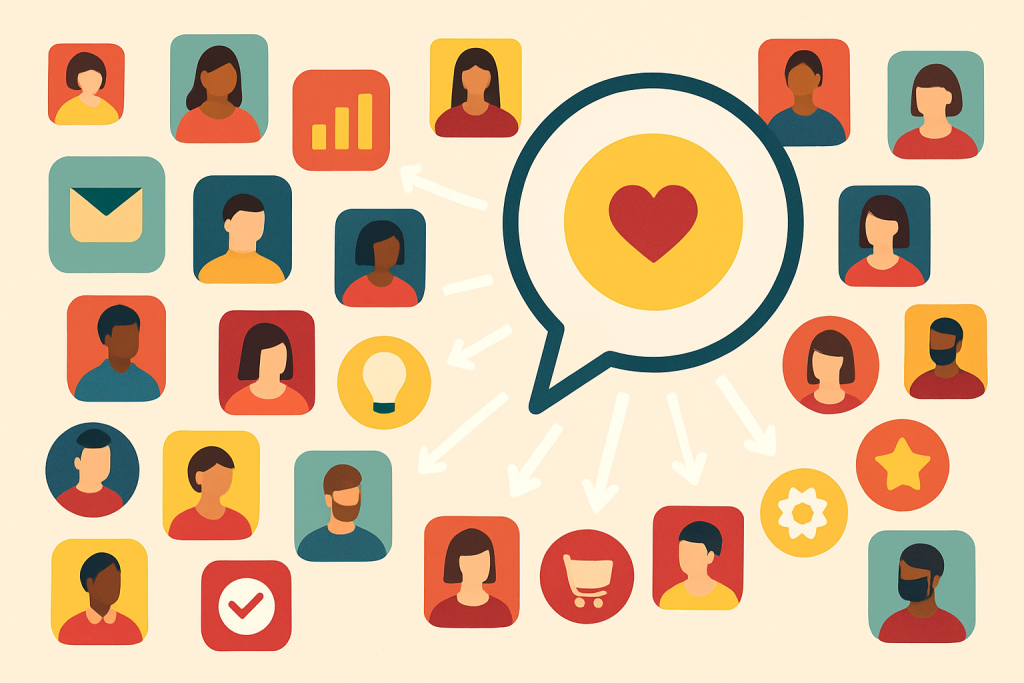
In today’s crowded e-commerce landscape, generic marketing messages simply don’t cut it. Customers are bombarded with advertisements and promotions, making it harder than ever to capture their attention. This is where personalization comes in. By tailoring your push notifications to individual customer preferences and behaviors, you can create more engaging and effective campaigns that drive conversions and build lasting relationships.
Why Personalization Is Essential in Modern Marketing
Personalization isn’t just a nice-to-have; it’s a necessity for e-commerce businesses that want to thrive. Here’s why:
- Improved Engagement: Personalized notifications are more likely to grab a customer’s attention because they’re relevant to their interests and needs.
- Increased Conversion Rates: When you offer customers products and promotions that align with their past purchases or browsing history, they’re more likely to buy.
- Enhanced Customer Loyalty: Personalized experiences show customers that you value them as individuals, fostering a sense of loyalty and encouraging repeat purchases.
- Higher ROI: By targeting your marketing efforts to the right customers with the right message, you can maximize your return on investment.
Ignoring personalization means missing out on these significant benefits. You risk your notifications being ignored or, worse, leading customers to unsubscribe. In a world where consumers expect tailored experiences, failing to personalize is a surefire way to fall behind.
Understanding Your Audience and Their Needs
The foundation of any successful personalization strategy is a deep understanding of your audience. You need to know who your customers are, what they want, and how they behave. Here are some key ways to gather this information:
- Customer Data: Leverage your existing customer data, including purchase history, browsing behavior, demographics, and email interactions.
- Surveys and Feedback Forms: Directly ask customers about their preferences and needs through surveys and feedback forms.
- Website Analytics: Analyze your website traffic to understand how customers are interacting with your site, what products they’re viewing, and where they’re dropping off.
- Social Media Listening: Monitor social media channels to understand what customers are saying about your brand and your competitors.
Once you’ve gathered this data, take the time to analyze it and identify patterns and trends. This will help you segment your audience into smaller groups with shared characteristics and needs. For example, you might segment your audience based on:
- Location
- Purchase history
- Browsing behavior
- Demographics
Different Types of Personalization for Push Notifications
There are several different types of personalization you can use in your push notifications, each with its own benefits and applications.
Demographic Personalization
This involves tailoring your notifications based on basic demographic information such as age, gender, location, and income. For example:
- A clothing retailer could send notifications promoting winter coats to customers in colder climates.
- A beauty brand could send notifications about anti-aging products to customers in older age groups.
Behavioral Personalization
This type of personalization focuses on a customer’s past actions, such as their purchase history, browsing behavior, and app usage. Examples include:
- Sending a push notification to a customer who abandoned their cart, reminding them to complete their purchase. (Pushloop’s Recupero carrello abbandonato feature automates this process.)
- Suggesting related products based on a customer’s previous purchases.
- Offering a discount on a product a customer has been browsing.
Contextual Personalization
This type of personalization takes into account the customer’s current situation, such as their location, time of day, or device. For example:
- A restaurant could send notifications promoting lunch specials to customers who are near their location during lunchtime.
- An e-commerce store could send notifications about flash sales to customers who are actively browsing their website.
Examples of Successful Personalized Push Notification Campaigns
While specific numbers are hard to come by without disclosing proprietary data, there are some widely accepted best-practice examples of how personalization can boost the impact of push notifications:
- Abandoned Cart Recovery: As mentioned, these are highly effective. A notification reminding customers about items left in their cart, potentially with a small discount, can significantly increase conversion rates. Pushloop offers a dedicated feature for this, allowing automated reminders.
- Personalized Product Recommendations: “Because you bought X, you might also like Y” recommendations based on purchase history.
- Price Drop Alerts: Notify customers when a product they’ve viewed or added to their wishlist goes on sale.
- Back-in-Stock Notifications: Let customers know when a previously out-of-stock item they were interested in is available again.
Tools and Strategies for Effective Personalization
To implement a successful personalization strategy, you’ll need the right tools and strategies. Here are some key considerations:
- Segmentation: Divide your audience into smaller, more targeted groups based on their characteristics and behaviors.
- Data Integration: Ensure that your push notification platform is integrated with your other marketing tools, such as your CRM and e-commerce platform, to access a complete view of your customer data.
- A/B Testing: Experiment with different personalization strategies and messaging to see what resonates best with your audience.
- Personalization Platforms: Consider using a dedicated personalization platform to automate and scale your personalization efforts.
Remember to always respect customer privacy and be transparent about how you’re using their data. Provide customers with the ability to opt-out of personalized notifications if they choose.
Conclusion
Personalization is no longer optional—it’s a critical component of successful e-commerce marketing. By understanding your audience, leveraging different types of personalization, and using the right tools and strategies, you can create push notification campaigns that resonate with your customers, drive conversions, and build lasting relationships. Embrace the art of personalization and unlock the full potential of your push notification marketing efforts.
Ready to elevate your push notification strategy?

