
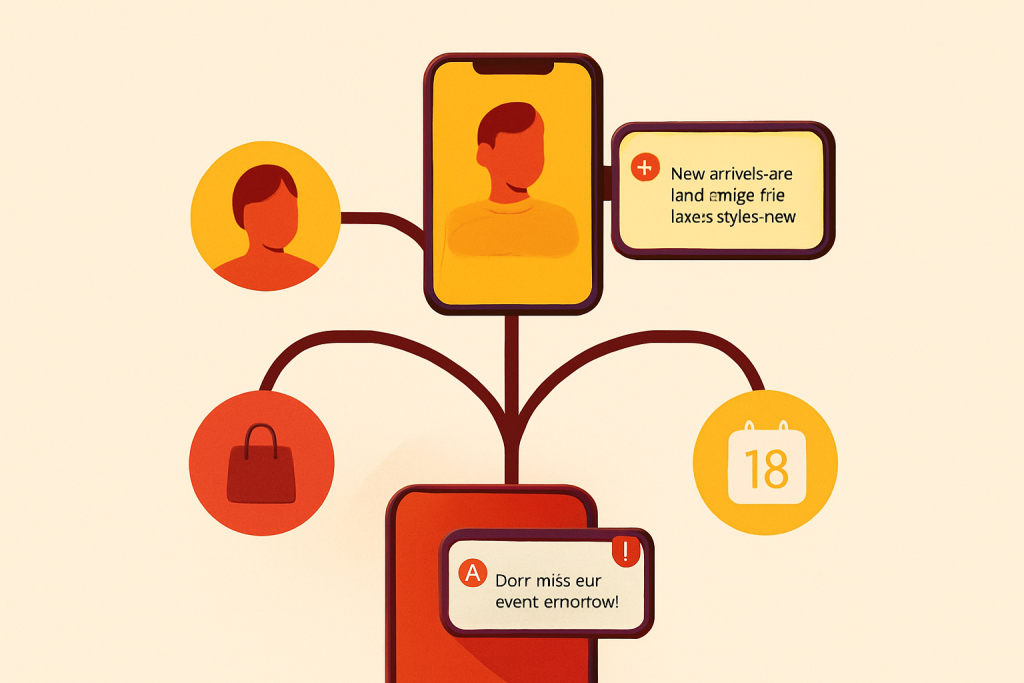
In the fast-paced world of e-commerce, generic marketing messages simply don’t cut it anymore. Customers expect personalized experiences, and if you’re not delivering, they’ll likely head elsewhere. Push notifications offer a powerful way to connect directly with your audience, but their effectiveness hinges on one crucial element: segmentation. By dividing your customer base into distinct groups based on shared characteristics, you can craft targeted messages that resonate with each segment, boosting engagement, conversions, and ultimately, revenue.
Why Segmentation is Essential for Push Notification Success
Imagine sending the same push notification about a new line of running shoes to *every* customer on your list. Some may be interested, but others might be loyal buyers of your home decor range, or haven’t even visited your store in months. This is a missed opportunity, and could even annoy some customers into unsubscribing. Segmentation allows you to avoid these pitfalls and achieve better results:
- Increased Relevance: By tailoring messages to specific segments, you ensure that each notification is relevant to the recipient’s interests and needs.
- Improved Engagement: Relevant notifications are more likely to be opened, read, and acted upon, leading to higher engagement rates.
- Higher Conversion Rates: When you promote products or offers that align with a customer’s past purchases or browsing history, you’re more likely to drive conversions.
- Reduced Unsubscribe Rates: Bombarding customers with irrelevant notifications can lead to high unsubscribe rates. Segmentation helps you avoid this by ensuring that each notification is valuable and welcome.
- Enhanced Customer Loyalty: Personalized experiences foster a sense of connection and loyalty, encouraging customers to return to your store again and again.
In short, segmentation transforms push notifications from a broadcast tool into a personalized communication channel that drives meaningful results for your e-commerce business.
Different Segmentation Strategies
There’s no one-size-fits-all approach to segmentation. The best strategy for your business will depend on your specific goals, target audience, and the data you have available. Here are some common and effective segmentation strategies for e-commerce push notifications:
Demographic, Behavioral, Purchase History
- Demographic Segmentation: This involves grouping customers based on characteristics such as age, gender, location, income, and education. For example, you might send a notification about a new line of organic baby food to customers who are known parents in a specific geographic area.
- Behavioral Segmentation: This focuses on how customers interact with your website and app. Examples include:
- Browsing Behavior: Segment based on the categories or products customers have viewed.
- Time on Site: Target customers who spend a significant amount of time on your site.
- App Usage: Segment based on how frequently customers use your app and which features they engage with.
- Abandoned Carts: Target customers who have added items to their cart but haven’t completed the purchase. Pushloop’s recupero carrello abbandonato feature is perfect for this. It automatically sends push notifications to recover abandoned carts.
- Purchase History Segmentation: This involves grouping customers based on their past purchases. Examples include:
- Recent Purchases: Target customers who have recently made a purchase.
- Product Category: Segment based on the types of products customers have purchased.
- Purchase Frequency: Target loyal customers who make frequent purchases.
- Average Order Value: Segment based on how much customers typically spend per order.
How to Collect Data for Effective Segmentation
Effective segmentation relies on accurate and comprehensive data. Here are some key ways to collect the data you need:
- Website and App Analytics: Use tools like Google Analytics to track website and app usage, browsing behavior, and other key metrics.
- Customer Relationship Management (CRM) System: Integrate your e-commerce platform with a CRM system to store customer data, purchase history, and contact information.
- Surveys and Feedback Forms: Collect demographic data and customer preferences through surveys and feedback forms.
- Push Notification Opt-in Prompts: Clearly communicate the value of opting into push notifications and collect data about customer interests during the opt-in process.
- Progressive Profiling: Gradually collect data over time by asking for small pieces of information at different touchpoints.
Remember to be transparent with your customers about how you’re collecting and using their data. Compliance with privacy regulations like GDPR and CCPA is crucial.
Examples of Segmented Push Notification Campaigns
To illustrate the power of segmentation, here are a few examples of segmented push notification campaigns:
- Abandoned Cart Recovery: Send a notification to customers who have abandoned their cart, reminding them of the items they left behind and offering a discount to encourage them to complete the purchase. *Pushloop can automate this entire process.*
- New Product Launch: Notify customers who have previously purchased similar products about a new product launch in that category.
- Location-Based Offers: Send notifications to customers in a specific geographic area about a local promotion or event.
- Loyalty Program Rewards: Notify loyal customers about exclusive rewards or discounts based on their purchase history.
- Back-in-Stock Alerts: Alert customers who have previously viewed out-of-stock items when those items are back in stock.
By tailoring your messaging to each segment, you can significantly increase the effectiveness of your push notification campaigns and drive better results.
Tools for Segmentation and Automation
Many e-commerce platforms and marketing automation tools offer segmentation capabilities. Some popular options include:
- Shopify: Shopify offers built-in customer segmentation features, as well as integrations with various marketing automation apps.
- Klaviyo: A popular email and SMS marketing platform with robust segmentation capabilities.
- Omnisend: Another email and SMS marketing platform that offers advanced segmentation and automation features.
- Pushloop: Pushloop offers a range of features to improve conversion, including abandoned cart recovery, which helps to convert abandoning customers into paying customers.
When choosing a tool, consider your specific needs, budget, and technical expertise.
Conclusion
Segmentation is the key to unlocking the full potential of push notifications for your e-commerce business. By dividing your customer base into distinct groups and tailoring your messaging to each segment, you can create personalized experiences that drive engagement, conversions, and customer loyalty. Take the time to understand your audience, collect the right data, and implement effective segmentation strategies to reap the rewards of this powerful marketing channel. Don’t send the same message to everyone – send the *right* message to the *right* customer.

