
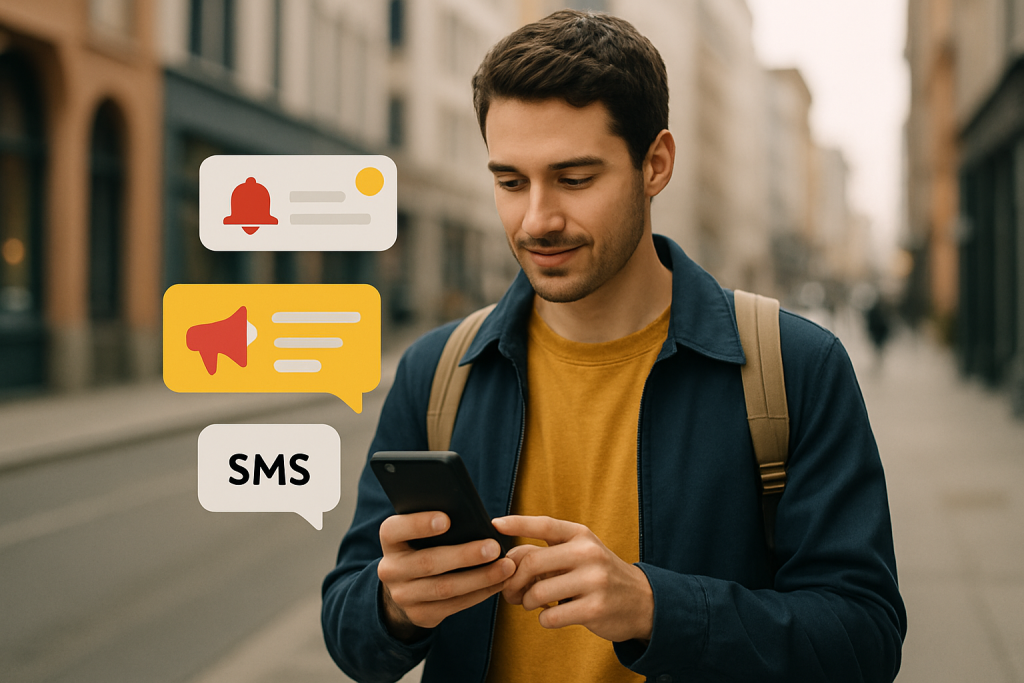
In today’s digital landscape, mobile devices reign supreme. For e-commerce businesses, ignoring mobile marketing is akin to leaving money on the table. A comprehensive mobile strategy is no longer optional; it’s a necessity for reaching customers, driving sales, and fostering brand loyalty. This guide will walk you through the essential elements of e-commerce mobile marketing, providing actionable insights to elevate your strategy.
Why Mobile Marketing Is Crucial for E-Commerce Success
Consider these facts:
- A significant percentage of online purchases are made on mobile devices.
- Mobile users often browse on their phones before making a purchase on a desktop or in a physical store.
- Mobile devices offer unique opportunities for personalized engagement.
These points highlight why mobile marketing is vital. It allows you to:
- Reach a wider audience: Tap into the massive pool of mobile users.
- Increase sales: Drive conversions through targeted mobile campaigns.
- Improve customer experience: Provide seamless and personalized interactions.
- Build brand loyalty: Foster lasting relationships through mobile channels.
Ignoring mobile marketing means missing out on these crucial benefits and potentially losing ground to competitors who are already leveraging the power of mobile.
Key Mobile Marketing Strategies
Mobile marketing encompasses various strategies, each with its own strengths. The key is to integrate these strategies to create a cohesive and effective mobile presence.
Push Notifications, In-App Messaging, SMS Marketing
These are some of the most effective mobile marketing channels:
- Push Notifications: Short, timely messages sent to users who have installed your app or subscribed via their browser. Pushloop specializes in this area, helping you re-engage customers, promote special offers, and recover abandoned carts. Push notifications can be triggered by specific user actions, such as adding an item to their cart but not completing the purchase, allowing for highly targeted and relevant messaging.
- In-App Messaging: Messages delivered within your mobile app, ideal for onboarding new users, providing support, or promoting specific features.
- SMS Marketing: Text messages sent to opted-in users, perfect for time-sensitive promotions, order updates, or appointment reminders.
The effectiveness of each channel depends on your specific goals and audience. Push notifications, for example, are excellent for abandoned cart recovery, while SMS marketing might be better suited for urgent promotional offers.
Optimizing Your Website for Mobile Devices
A mobile-friendly website is the foundation of any successful mobile marketing strategy. If your website isn’t optimized for mobile devices, your marketing efforts will likely fall flat.
Key elements of a mobile-friendly website include:
- Responsive Design: Your website should automatically adapt to different screen sizes and devices.
- Fast Loading Speed: Mobile users have short attention spans, so your website needs to load quickly. Optimize images, minify code, and leverage browser caching to improve loading speed.
- Easy Navigation: Make it easy for users to find what they’re looking for with clear and intuitive navigation. Use a mobile-friendly menu and avoid cluttered layouts.
- Touch-Friendly Elements: Ensure that buttons and links are large enough and spaced appropriately for easy tapping on a touchscreen.
- Simplified Forms: Streamline your forms to minimize the amount of typing required on mobile devices. Use auto-fill options and clear error messages.
A mobile-unfriendly website leads to:
- High bounce rates
- Low conversion rates
- Frustrated customers
Creating a Seamless Mobile Customer Experience
A positive mobile customer experience is crucial for building brand loyalty and driving repeat purchases. Consider these points:
- Personalization: Tailor your mobile marketing messages to individual customers based on their past purchases, browsing behavior, and preferences.
- Contextual Awareness: Consider the user’s location, time of day, and device when delivering mobile marketing messages.
- Omnichannel Integration: Ensure a consistent brand experience across all channels, including your website, mobile app, social media, and email.
- Easy Checkout Process: Simplify the mobile checkout process to reduce friction and increase conversions. Offer multiple payment options and ensure that the checkout form is mobile-friendly.
Consider leveraging features such as Pushloop’s abandoned cart recovery to provide a seamless experience for mobile users. If a user adds items to their cart on their phone but doesn’t complete the purchase, a well-timed push notification can remind them and encourage them to return and complete the transaction.
Measuring the Success of Your Mobile Marketing Campaigns
Tracking the right metrics is essential for evaluating the effectiveness of your mobile marketing campaigns and identifying areas for improvement.
Key metrics to track include:
- Conversion Rates: Track the percentage of users who complete a desired action, such as making a purchase or signing up for a newsletter.
- Click-Through Rates (CTR): Measure the percentage of users who click on your mobile ads or push notifications.
- Engagement Rates: Track metrics such as app usage, time spent on site, and social media engagement.
- Customer Acquisition Cost (CAC): Calculate the cost of acquiring a new customer through your mobile marketing efforts.
- Return on Investment (ROI): Measure the profitability of your mobile marketing campaigns.
By analyzing these metrics, you can identify which strategies are working and which ones need to be adjusted. A/B testing different messaging, targeting, and creative elements can further optimize your campaigns.
Conclusion
Mobile marketing is a critical component of any successful e-commerce strategy. By optimizing your website for mobile devices, creating a seamless mobile customer experience, and tracking the right metrics, you can leverage the power of mobile to reach more customers, drive sales, and build brand loyalty. Don’t underestimate the importance of mobile – it’s where your customers are, and where your business needs to be.
Pushloop can be a valuable tool in your mobile marketing arsenal, particularly for leveraging the power of push notifications to re-engage customers and drive conversions.

